Spray Foam Removal Areas in Bristol
This site is for Bristol homes only. Here's how spray foam jobs tend to differ across the city — and how to request a quote wherever you live.
- All Bristol postcodes
- Kingswood & Filton too
- Any age of house, any roof shape
Get a Price for Removing Your Spray Foam
A few details are enough to start. We’ll call or email back, ask about the roof and explain what removal would involve and cost.
How We Cover Bristol
From Clifton and Cotham down to Bedminster, and out to Fishponds, Kingswood and Filton, we clear spray foam right across Bristol. When a house was built, how its roof is shaped and what the street is like all change the job, so below we describe what to expect in each part of Bristol.
We’ve split the city into rough quarters below. The lines are loose, so if your neighbourhood isn’t mentioned, just add your postcode to the form and we’ll tell you.
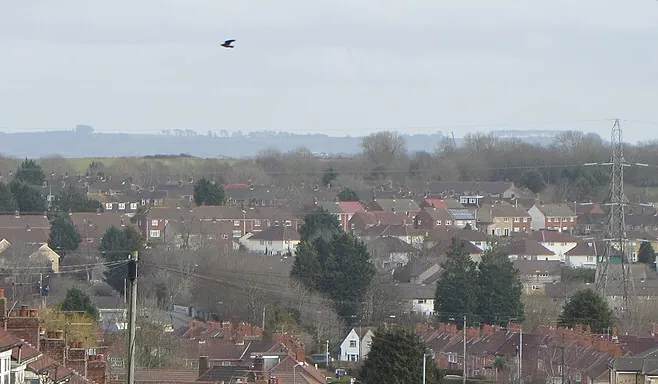
Central Bristol
Around Cotham and the streets near St Andrews Park, housing is dominated by tall Victorian terraces and villas, many now split into flats. In converted buildings, the roof is often shared, so spray foam in the loft affects more than one owner. Any removal may need agreement from the freeholder or other leaseholders, and access may be through a communal stairwell or a top-floor flat.
Parking is a practical consideration here. Residents' parking schemes and narrow streets mean we’ll usually want to plan van access and waste collection in advance. Lofts in these properties can be large but awkward, with multiple roof slopes and valleys where foam may have been applied unevenly.
North Bristol
North Bristol covers a broad mix. In Bishopston and Ashley Down you’ll mostly find turn-of-the-century terraces whose lofts are reached through a narrow hatch above the landing. Redland’s houses are bigger, and where the roof has been turned into a room the foam can be sealed out of sight behind the ceilings.
Horfield, Henleaze and Filton have a lot of 1930s semis and interwar housing, frequently with hipped roofs. Hips create angled sections at the corners of the roof, and these are often where foam has been sprayed thickest. Many of these homes have also had loft conversions or dormers added over the years, which can change the scope of removal considerably.
Popular family areas in the north of the city see plenty of sales and remortgages, so spray foam queries here often arrive with a deadline attached. Mentioning your timescale when you enquire helps.
South Bristol
Southville, Bedminster and Totterdown are dominated by Victorian terraces, many built on slopes. Lofts are generally compact, boxed in by neighbours’ walls, with the back extension’s roof below. Foam is often sprayed right up to the party wall, so the boundary with the neighbouring loft needs care. Totterdown's steep streets can make van access and waste handling a real part of the plan.
Further out, Knowle and Brislington have a broader mix of interwar semis, post-war homes and later housing. Hipped roofs and earlier loft insulation work are common, and in older post-war homes the roof structure may have been altered more than once.
East Bristol
Easton and St George are rows upon rows of small Victorian terraces; their cramped roof spaces mean each square metre takes a little longer than in a roomy loft. Fishponds mixes terraces with 1930s semis and post-war housing, so the type of job varies from street to street.
Kingswood, on the eastern edge of the city, has many post-war and later homes. In some, foam was sprayed on years ago to patch a tired roof, and today’s owners only learn about it when a surveyor climbs the ladder.
West Bristol
Clifton is known for its Georgian and Victorian houses, many now divided into flats. Roofs here can be complex, with multiple pitches, parapets and valleys, and in converted buildings the loft may belong to the freeholder or be shared by several owners. Spray foam in these roofs can raise questions for more than one mortgage at once.
Access is often the biggest practical challenge: tall buildings, long staircases and restricted parking all need thinking about before a start date is agreed. We’ll usually want to visit before giving a firm price for this kind of property.
Council and Heritage Information
- Bristol City Council: conservation areas — many central and north Bristol streets are in conservation areas; check before external roof work.
- Bristol City Council: conservation area character appraisals — the council’s character appraisals describe historic roofs in areas such as Clifton, Cotham, Redland and Bedminster.
- South Gloucestershire Council: conservation areas — Kingswood and Filton are administered by South Gloucestershire Council.
- Historic England: search the National Heritage List — check whether a building is listed before planning roof repairs.
Links open in a new tab. We have no connection with these organisations.
Bristol Property Types and Spray Foam
Victorian terraces
Compact lofts, small hatches and shared party walls. Planning focuses on access, protecting the house and working carefully at the boundaries.
1930s semis
Larger lofts, often with hipped roofs. More roof area and awkward corners where foam is thickest.
Post-war homes
Varied construction, sometimes with several rounds of earlier loft work. Each roof needs looking at on its own merits.
Converted lofts and flats
Foam may be hidden behind finishes, and in shared buildings more than one owner may be affected. Scope is usually confirmed on site.
For more on the work itself, see loft spray foam removal or our cost guide.
Find Out What Your Removal Would Cost
Leave your details and we’ll get back to you, usually the same working day, to talk through the roof and what you’ve been told. Deciding not to go ahead is fine.
- A Bristol business you can phone directly
- Honest if removal isn’t actually needed
- Photo record available for your lender or buyer
Rather speak to someone? Ring 0117 463 1080, or email hello@sprayfoaminsulationremovalbristol.co.uk.
Start here
Under a minute to fill in. Send photos or the survey later if you have them.